
What Extension Mistakes Can an Architect Help You Avoid?
What Extension Mistakes Can an Architect Help You Avoid?
An extension is one of the most significant investments you can make in your home. Done well, it transforms how you live, adds lasting value, and makes your home feel like it was always meant to be that way. Done poorly, it can cost far more than anticipated, disappoint on delivery, and create problems that take years to resolve.
The good news is that most of the common mistakes homeowners make regarding extensions are avoidable.
An experienced architect like Architecture:WK brings the foresight, technical knowledge, and design thinking to steer your project away from the pitfalls that catch so many people out.
1. Planning Permission Pitfalls That Catch Homeowners Off Guard
Many homeowners assume their extension will fall within permitted development rights, only to discover mid-project that it does not. Boundary setbacks, height restrictions, and the cumulative volume of previous extensions all affect whether planning permission is required, and the rules are more nuanced than most people realise.
An architect will assess your property’s planning history, check whether any Article 4 Directions or permitted development restrictions apply, and advise you honestly before any money is spent.
In cases where a full planning application is needed, they will also manage the process, prepare the necessary drawings, and liaise with the local planning authority on your behalf. Getting this right at the start avoids costly delays and the very real risk of being required to demolish work that was built without consent.
2. Poor Space Planning That Reduces the Value of Your Extension
An extension that adds square footage but fails to improve how your home actually functions is a missed opportunity. Poor space planning is surprisingly common, particularly when homeowners focus on the footprint of an extension without considering how it will connect to the existing layout, where furniture will sit, and how people will move through the space day to day.
A well-designed extension feels as though it has always been part of the house. It improves flow between rooms, creates spaces that work for how your household lives, and adds genuine quality to your daily life.
An architect will consider the relationship between your existing rooms and the new space from the very beginning, ensuring the result is coherent rather than simply bolted on.
3. Structural Errors That Cost Far More to Fix Than to Prevent
Structural mistakes are among the most expensive problems a homeowner can face. Removing or altering load-bearing walls without proper assessment, underestimating foundation requirements, or failing to account for the structural implications of a new roof or large areas of glazing can all lead to serious and costly consequences.
Architects work closely with structural engineers to ensure that every element of a design is buildable and safe.
By coordinating the structural and architectural design together, rather than addressing them separately, potential problems are identified and resolved on paper rather than on site. This early collaboration is one of the most valuable things an architect brings to an extension project.
4. Neglecting Natural Light and Ventilation in the Design
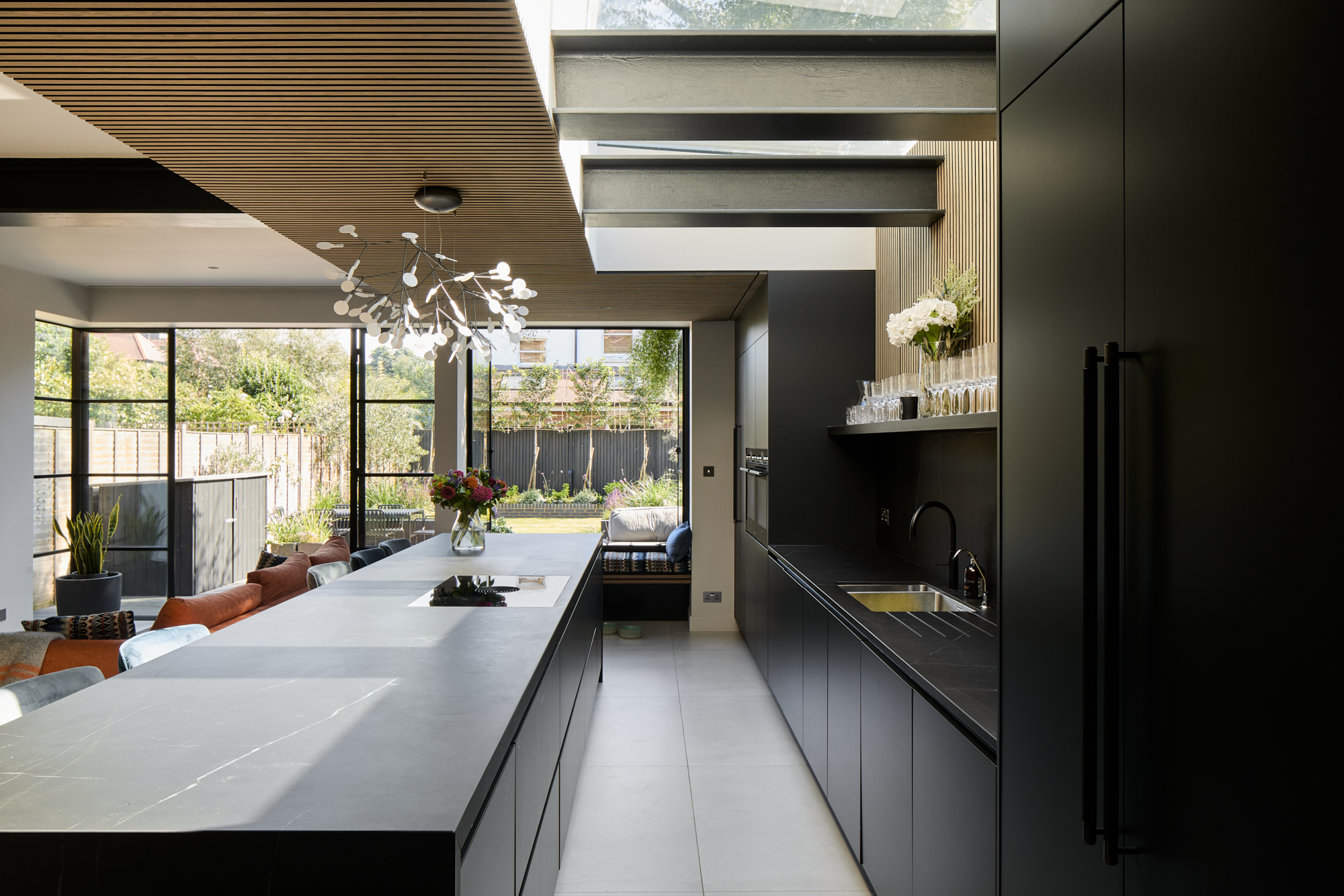
A dark, poorly ventilated extension is a frequent disappointment, particularly in rear extensions where the relationship between the new space and the garden is not carefully considered. Natural light and airflow need to be designed in from the outset. They cannot be fully corrected once the structure is built.
An architect will assess the orientation of your home, the movement of sunlight across the site throughout the day, and the best positions for windows, rooflights, and glazed doors to bring light deep into the space. Good ventilation strategy sits alongside this, ensuring the extension is comfortable year-round rather than hot in summer and stuffy in winter.
5. Overlooking the Space Beyond Your Back Wall
One of the most common oversights in an extension project is treating the garden, terrace, or courtyard as a separate concern to be dealt with later.
The levels of an external terrace, the materials used underfoot, and the visual connection between inside and out all influence how the finished project feels. A terrace at the wrong level or paved with materials that clash with the extension’s finishes can undermine even the best interior design.
Working with architects who integrate hard landscaping and interior design into a single process ensures that every element is considered in relation to everything else. Architecture:WK does exactly that, bringing all three disciplines together under one roof.
6. Designs That Clash With the Existing Character of Your Home
An extension that sits awkwardly against the original building is both a planning risk and a design failure. Local planning authorities pay close attention to whether a proposed extension respects the character and appearance of the host property, particularly in conservation areas, on listed buildings, or in streets with a strong and consistent architectural identity.
Also read: Understanding Planning Restrictions for Conservation Areas & Listed Buildings
Beyond the planning implications, an extension that clashes aesthetically can detract from your home’s kerb appeal and long-term value.
An architect understands how to work with the scale, materials, proportions, and detailing of the existing building to create something new that feels considered and coherent, rather than an afterthought.
7. Underestimating the Full Cost of an Extension Project
Vague or incomplete designs are at the root of most extension budget problems. When drawings lack detail, builders fill the gaps with assumptions, and those assumptions almost always result in extra costs once work is underway. Homeowners who receive an attractive early quote often find the final figure bears little resemblance to it.
Detailed architectural drawings and specifications allow contractors to price a project accurately and completely. They also help you understand the true cost before you commit, so you can make informed decisions about scope, materials, and phasing if needed.
An architect can also advise on where costs can be reduced without compromising the quality of the finished result, giving you the best possible outcome within your budget.
House Extension Architects: Architecture:WK
If you are planning a home extension, Architecture:WK is the friendly, approachable team you want in your corner from day one. Based in Richmond, the practice is driven by good design and committed to helping homeowners develop their ideas into spaces they will genuinely love.
As experienced house extension architects in London, Architecture:WK works with you to discover your home’s full potential. Whether you are adding a kitchen extension, creating a generous open-plan living space, or planning a multi-level addition, the team designs with purpose.
Every project is approached with the same goal: to maximise space, natural light, and value, whilst seamlessly blending the new with the character of the existing home.
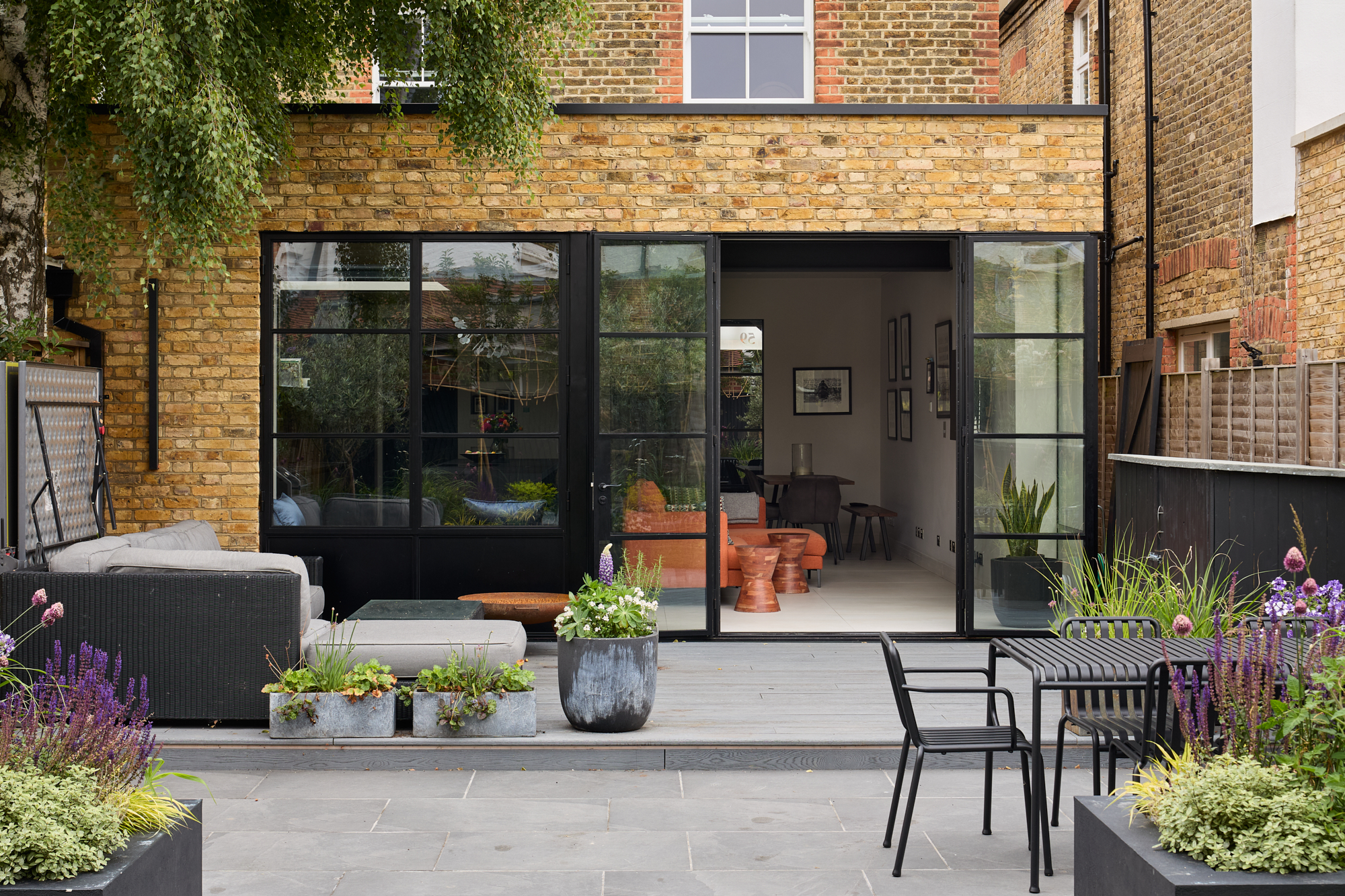
At Howard’s Lane in Wandsworth, Architecture:WK converted a poorly subdivided property back into a stylish family home, adding a ground floor and loft extension within the same application. By submitting ahead of a change in Wandsworth’s planning regulations, the practice secured permission for a significantly larger scheme than would have been possible under the new rules.
- Conversion from flats back into a single-family dwelling
- Ground floor and loft extension within one planning application
- Application timed ahead of regulatory change, securing a larger permitted scheme
- Detailing and material choices that elevated the project into a considered, beautiful home
Ready to learn more? Get in touch with our Teddington architects today and discover how we can help transform your vision of a new build home into a stunning reality.